Composting Worms for Beginners Offers a Simple Path to Sustainable Gardening Success

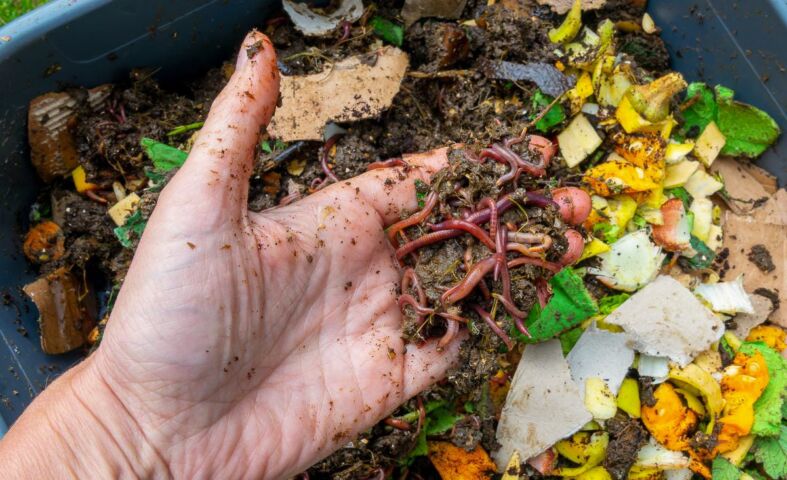
Composting worms for beginners is one of the easiest ways to turn kitchen scraps into garden gold without dealing with the mess of traditional compost piles. Many people assume worm composting requires special skills or expensive equipment, but the reality is much simpler. You can start with a basic plastic bin, some shredded newspaper, and a handful of red wiggler worms from an online supplier. According to Cornell University, worm composting uses live worms to recycle food scraps into vermicompost, a nutrient-rich soil amendment that helps plants thrive. The process happens naturally as worms consume organic matter and transform it through their digestive system.
Why Red Wigglers Are the Perfect Starter Worm?
Red wigglers, scientifically known as Eisenia fetida, are the gold standard for beginners because they adapt to various conditions better than other species. Unlike common earthworms that burrow deep into soil, red wigglers are surface dwellers that live in the top few inches of organic material. This makes them ideal for shallow bins where you can easily manage their environment. They can consume between one-third to one-half of their body weight in food scraps every few days, which means a pound of worms can process several pounds of waste weekly. University of Illinois Extension notes that red wigglers prefer temperatures between 55 and 77 degrees Fahrenheit, making them suitable for indoor setups year-round.
Setting Up Your First Worm Bin Without Breaking the Bank
You do not need fancy equipment to create a thriving worm habitat. A simple 10-gallon dark plastic storage container with a lid works perfectly as your first bin. Drill quarter-inch holes around the top edge for ventilation, but avoid holes in the bottom if you want to prevent leaks indoors. Line the bottom with dry shredded newspaper to create air pockets, then add damp bedding made from a mix of soil and moist paper strips. The bedding should feel like a wrung-out sponge when squeezed. Iowa State University Extension recommends adding one or two handfuls of garden soil to provide grit for the worms’ gizzards, which helps them process food.
What to Feed Your Worms and What to Avoid?
Feeding your composting worms properly ensures they stay healthy and productive without creating odors or attracting pests. The key is understanding which foods support their digestion and which ones harm the bin environment. Worms have simple digestive systems that process organic matter efficiently, but certain items can disrupt the balance or attract unwanted visitors. Always cut food into small pieces so worms can process it faster, and bury it just under the surface of the bedding to prevent fruit flies. Cornell University advises monitoring your bin closely when starting out, as overfeeding is one of the most common mistakes beginners make.
| Safe to Feed | Never Feed | Feed in Moderation |
|---|---|---|
| Raw fruit scraps (apples, bananas, melons) | Meat, fish, or poultry | Citrus peels (orange, lemon) |
| Vegetable trimmings (lettuce, carrots, squash) | Dairy products (cheese, milk, yogurt) | Onions and garlic |
| Coffee grounds and filters | Oils, fats, or greasy foods | Spicy peppers |
| Tea bags (staples removed) | Cooked foods with butter or sauces | Large amounts of bread |
| Crushed eggshells | Pet waste or cat litter | Pasta or rice |
| Shredded paper and cardboard | Diseased plants | Salty foods |
Safe foods provide balanced nutrition while keeping your bin odor-free and pest-resistant. Coffee grounds are particularly valuable because they add nitrogen and improve the texture of the bedding. Crushed eggshells supply essential calcium that helps worms reproduce and regulates acidity in the bin. The items in the “never feed” column attract pests like fruit flies and rodents, or create anaerobic conditions that produce foul smells and can kill your worm population. Foods listed under “feed in moderation” are not toxic but can cause problems in large quantities due to acidity, strong odors, or rapid fermentation that heats up the bin.
Common Questions Beginners Ask About Worm Composting
Starting with composting worms raises plenty of questions, and getting clear answers helps you avoid common mistakes. Here are the most frequent concerns that newcomers face when beginning their vermicomposting journey.
1. How many worms do I need to start?
You can begin with just half a pound to one pound of red wigglers for a standard household bin. This amount typically contains between 500 to 1,000 worms, which is sufficient to process the food scraps from one or two people. The worms will breed and double their population within a month if conditions are right, so you do not need to buy a massive quantity upfront. According to Brothers Worm Farm, starting with less allows you to learn the process without overwhelming yourself or the worms.
2. How often should I feed my worms?
Feed your worms only once or twice per week, and always check that they have finished the previous feeding before adding more food. A good rule is to provide about one-third of the worms’ weight in scraps. If you have one pound of worms, feed them roughly five to six ounces of food every few days. Overfeeding is one of the biggest mistakes beginners make, as uneaten food rots and creates anaerobic conditions that can kill your worms.
3. When will I see finished worm castings?
You can harvest your first batch of worm castings, often called black gold, after three to five months of consistent composting. The bedding will transform into a dark, crumbly material that resembles coffee grounds or felt. When the bin becomes mostly castings with little bedding left, it is time to harvest. Separate the worms from the castings by moving them to fresh bedding, then use the finished compost immediately or store it for later use.
Simple Tips to Keep Your Worms Thriving Long-Term
Maintaining a healthy worm bin requires minimal effort once you establish a routine. Check the moisture level weekly by squeezing a handful of bedding; it should feel damp but not dripping wet. Mist the surface lightly with a spray bottle if it seems dry, but never pour water directly into the bin. Keep the bin in a location that stays between 50 and 80 degrees Fahrenheit, away from direct sunlight or freezing drafts. Cover the bedding with a layer of damp newspaper or cardboard to retain moisture and block light, which worms naturally avoid.