Why More Gardeners Are Discovering the No Till Gardening Method Benefits?

The no till gardening method benefits have been catching the attention of home growers and small-scale farmers who want healthier soil without the backbreaking labor. This approach skips the traditional step of turning over soil each season, which might sound strange at first. After all, most of us grew up thinking that tilling was just part of gardening. But science and experience are showing that leaving the ground undisturbed can lead to stronger plants, fewer weeds, and a more vibrant ecosystem right in your backyard.
What No Till Gardening Actually Means?
No till gardening is exactly what it sounds like: growing plants without repeatedly digging, plowing, or otherwise disturbing the soil structure. Instead of breaking up the earth each spring, gardeners add organic matter like compost, mulch, or straw directly on top of the soil surface. This creates a protective layer that slowly feeds the soil below while keeping weeds at bay. The method mimics how nature builds soil in forests and meadows, where leaves and debris accumulate and decompose naturally over time.
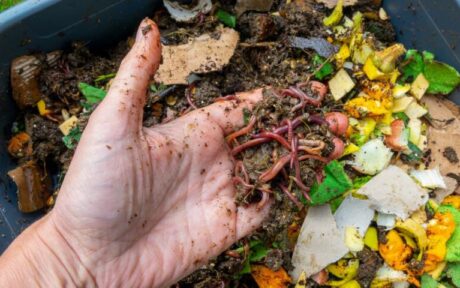
According to agricultural research, undisturbed soil develops a complex network of fungi, bacteria, and beneficial organisms that support plant health. When we till, we disrupt these communities and release stored carbon into the atmosphere. No till systems preserve this underground biology, allowing it to thrive and do the work of feeding your plants for you.
The Soil Health Revolution in Your Backyard
One of the most compelling no till gardening method benefits is the dramatic improvement in soil structure over time. Healthy soil should feel crumbly and smell earthy, teeming with earthworms and microbial life. When you stop tilling, you allow these natural processes to rebuild what years of digging may have damaged. The soil becomes more aerated without mechanical intervention, as roots and organisms create channels for water and air to move freely.
Research from the USDA and various agricultural extensions shows that no-till systems significantly reduce soil erosion and improve water retention. This means your garden will need less watering during dry spells, and heavy rains will not wash away your precious topsoil. For home gardeners dealing with compacted clay or sandy soil, this method offers a path to genuine soil transformation without expensive amendments or machinery.
Saving Time and Reducing Weeds Naturally
Anyone who has spent hours wrestling with a rototiller knows that traditional garden prep is exhausting work. No till gardening eliminates this yearly chore entirely, freeing up your time for planting, harvesting, and actually enjoying your garden. The initial setup requires some effort to build raised beds or lay down cardboard and mulch, but maintenance becomes remarkably simple once the system is established.
The thick layer of mulch or compost acts as a natural weed suppressant by blocking sunlight from reaching weed seeds in the soil. Based on gardening studies and practical experience, many no-till gardeners report 50 to 90 percent fewer weeds after the first few seasons. This happens because you are not constantly bringing dormant weed seeds to the surface through tilling, and the mulch layer prevents new seeds from taking root.
Better Harvests with Less Intervention
Plants grown in undisturbed, biologically active soil often show increased vigor and disease resistance. The no till gardening method benefits extend directly to your vegetable yields because plants can access nutrients more efficiently through the mycorrhizal networks that develop in stable soil. These fungal connections act like an underground delivery system, transporting water and minerals directly to plant roots in exchange for sugars.
Many experienced gardeners notice that their no-till beds produce more consistent harvests with fewer pest problems. The healthy soil ecosystem supports beneficial insects and creates conditions where plant diseases struggle to take hold. You may find yourself reaching for fertilizers and pesticides less often, which saves money and keeps your garden truly organic without the need for constant intervention.
Common Questions About Getting Started
Making the switch to no-till methods raises practical questions for gardeners used to traditional techniques. The transition feels unfamiliar at first, but understanding the basics helps you avoid common pitfalls and set your garden up for long-term success.
1. How do I start a no till garden in an existing yard?
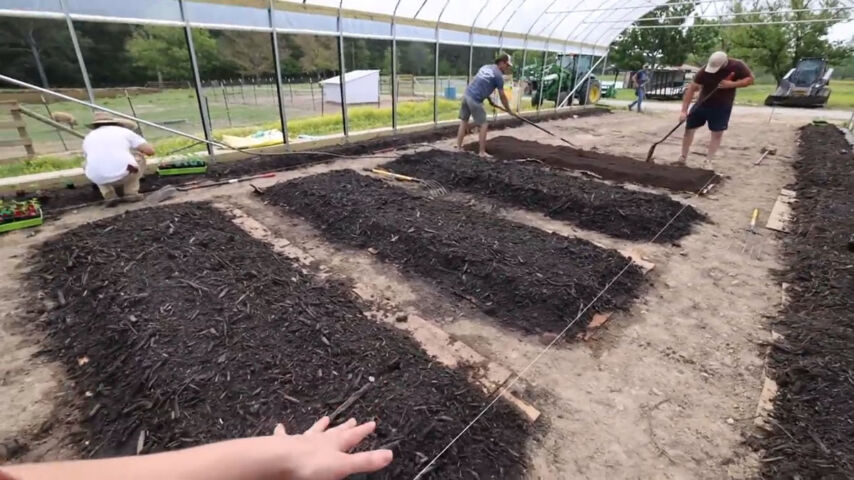
Begin by covering your intended garden area with cardboard or several layers of newspaper to smother existing grass and weeds. Add four to six inches of compost on top, followed by a layer of straw or wood chip mulch, and let the bed rest for a few months if possible. You can plant directly into the compost layer by moving mulch aside, and over time the cardboard will decompose while the soil beneath improves.
2. Will my soil become compacted if I never till it?
Surprisingly, no-till soil typically becomes less compacted over time because earthworms and root systems naturally aerate the ground. The key is keeping the soil covered with organic matter and avoiding walking on your growing beds. If you notice any hard spots, simply loosen them gently with a broadfork rather than turning the entire bed.
3. What materials work best for no till garden layers?
Quality compost forms the foundation of successful no-till beds, providing immediate nutrients and biological activity. Straw, leaves, grass clippings, and wood chips all serve as effective mulch materials, though you should avoid mixing wood chips directly into the soil. Many gardeners source cardboard from local businesses and compost from municipal facilities to keep costs low while building their garden ecosystem.
Making the Switch for Long-Term Success
The no till gardening method benefits extend far beyond the immediate growing season, building soil that becomes more fertile and manageable each year. This approach asks for patience upfront as you establish your system, but rewards that patience with a garden that largely maintains itself. You will spend less time fighting nature and more time working alongside it, which is ultimately what sustainable gardening is all about.
Whether you are growing vegetables for your family, cultivating flowers for pollinators, or simply want a more peaceful relationship with your land, no-till methods offer a proven path forward. The gardens that thrive decades from now will likely be the ones where someone decided to stop digging and start building soil instead. Your future self, and your back, will thank you for making that choice today.