Is a Small Scale Home Wind Turbine Worth It for Your Property?

A home wind turbine small scale system can reduce your electricity bills and provide clean energy, but it is not the right choice for every homeowner. According to recent industry data, residential wind power has not achieved widespread adoption like solar panels due to higher costs and complex installation requirements . Before investing thousands of dollars, you need to understand whether your property has the right conditions to make wind power viable.
Understanding Small Scale Wind Turbines
Small scale wind turbines are compact energy systems designed for residential use. These units typically range from 400 watts to 100 kilowatts in capacity. They convert kinetic wind energy into electricity through rotating blades connected to a generator . Unlike massive commercial wind farms, these systems are sized for individual properties and must comply with local zoning restrictions.
The average American home consumes approximately 10,791 kilowatt-hours annually. To make a significant contribution to household energy needs, most homeowners require a turbine between 5 and 15 kilowatts . However, the actual output depends heavily on your local wind conditions and tower height.
Types of Home Wind Turbines
Small scale home wind turbines come in two main designs, each with distinct advantages and limitations. Horizontal-axis turbines resemble traditional propellers and offer higher efficiency, while vertical-axis systems feature unique spinning designs that work regardless of wind direction. Understanding these differences helps you choose the right technology for your specific property conditions and energy goals.
1. Horizontal-Axis Wind Turbines (HAWT)
Horizontal-axis turbines feature propeller-style blades that rotate around a horizontal shaft. These are the most common residential wind systems available today. They offer higher efficiency rates of 35 to 45 percent capacity factor and perform better at lower wind speeds .
The main drawback is that HAWT systems require tall towers of 80 feet or more for optimal performance. They must also face into the wind using tail vanes or active yaw systems. Installation is complex due to these tower requirements, and they can generate more noise than vertical alternatives.
2. Vertical-Axis Wind Turbines (VAWT)
Vertical-axis turbines rotate around a vertical shaft and come in two main designs. The Savonius style features an S-shaped design, while the Darrieus style resembles an eggbeater. These systems operate regardless of wind direction and allow for lower installation heights.
However, VAWT systems have lower efficiency rates of 20 to 30 percent capacity factor. They also cost more per kilowatt-hour produced and have fewer manufacturer options available. Some designs experience vibration issues and offer less proven long-term reliability.
Costs and Financial Reality
Installing a home wind turbine small scale system requires significant upfront investment that often surprises first-time buyers. According to industry data, residential wind installations cost between $6,000 and $12,000 per kilowatt, making them substantially more expensive than solar alternatives. While federal tax credits and state incentives can reduce these costs by 30 percent or more, the payback period typically stretches 6 to 20 years depending on your local wind resources and electricity rates.
1. Upfront Investment Breakdown
Installing a small scale home wind turbine requires significant capital. According to industry sources, costs range from $6,000 to $12,000 per kilowatt installed . This is substantially higher than residential solar, which averages $2.56 per watt installed .
A typical cost distribution includes:
- Turbine and generator: 35 to 45 percent of total cost
- Tower and foundation: 25 to 35 percent of total cost
- Installation labor: 20 to 30 percent of total cost
- Electrical components: 10 to 15 percent of total cost
- Permits and interconnection: 5 to 10 percent of total cost
2. Federal and State Incentives
The Federal Investment Tax Credit offers 30 percent of total system cost through 2032. This rate drops to 26 percent in 2033 and 22 percent in 2034. There is no cap on this credit, so it applies to your full system cost . Many states also offer cash rebates between $500 and $5,000, property tax exemptions, and sales tax exemptions on equipment purchases .
3. Payback Period Expectations
Due to high upfront costs, wind turbine systems typically take 6 to 20 years to pay for themselves, with the average being around 15 years . After the system recovers its cost, a residential wind turbine can lower your electric bills by 50 to 90 percent . However, if your property lacks sufficient wind resources, you may never achieve payback.
Small Scale Wind vs Solar Panels
Choosing between a home wind turbine small scale system and solar panels requires careful comparison of costs, performance, and practical considerations. While both technologies generate clean electricity, solar panels currently dominate the residential market due to lower installation costs and more predictable energy production. Understanding how these two options stack up against each other helps you make an informed decision based on your property characteristics, budget, and energy goals.
1. Cost Comparison
When comparing renewable options for your home, solar panels offer clear economic advantages. Residential solar costs average $2.56 per watt installed, while residential wind ranges from $6.00 to $12.00 per watt installed . This makes solar typically 50 to 75 percent less expensive upfront.
The levelized cost of energy tells a similar story. Residential solar averages $0.06 to $0.12 per kilowatt-hour, while residential wind ranges from $0.12 to $0.25 per kilowatt-hour . For most homeowners, solar provides better financial returns.
2. Energy Production Patterns
Solar panels produce predictable energy following daily and seasonal patterns. They achieve capacity factors of 15 to 25 percent depending on location and orientation . Small scale wind turbines show more variability, with capacity factors ranging from 10 to 35 percent depending entirely on wind resources .
Wind does offer one advantage. It often blows stronger during winter months and at night when solar production drops. This complementary pattern makes wind and solar hybrid systems attractive for some homeowners seeking energy independence .
3. Installation and Maintenance
Solar installation typically completes in 1 to 3 days with minimal site preparation. Small scale wind installation requires 1 to 4 weeks, extensive site preparation, custom tower design, and complex permitting .
Maintenance requirements differ significantly. Solar systems need only annual visual inspection and occasional cleaning. Wind systems require semi-annual mechanical inspections, annual tower checks, brake and gearbox maintenance, and blade inspections .
Who Should Consider a Home Wind Turbine?
A home wind turbine small scale system is not the right choice for every property owner, and identifying whether you are a good candidate can save you from a costly mistake. Ideal candidates typically live on at least one acre of rural land with consistent wind speeds of 10 miles per hour or higher and face electricity rates above the national average. If you prioritize long-term energy independence over quick financial returns and have the space to install an 80-foot or taller tower, residential wind power might align with your goals.
1. Ideal Candidates
A home wind turbine small scale system makes sense if you meet specific criteria. You should live on at least 1 acre of land with good wind resources averaging 10 miles per hour or more. Properties in rural areas with minimal obstructions work best .
You should also have high electricity costs of $0.15 or more per kilowatt-hour. The ability to install towers 80 feet or taller within local zoning requirements is essential. Finally, you should seek long-term energy independence rather than quick financial returns .
2. When to Avoid Wind Power
Do not install a residential wind turbine if you live in urban or suburban areas with significant obstructions. Areas with average wind speeds below 10 miles per hour will not generate sufficient returns. Properties under 1 acre or with restrictive homeowner association covenants face installation barriers .
If you prioritize quick return on investment, solar panels will serve you better. Locations where solar is more cost-effective should pursue that technology instead .
Site Requirements Checklist
Before investing in a home wind turbine small scale system, you must verify that your property meets the specific physical and regulatory requirements for successful installation. Proper site assessment determines whether your location has adequate wind resources, sufficient open space, and compliant zoning regulations to support a turbine. Skipping this evaluation phase often leads to underperforming systems that never achieve the promised energy production or financial returns.
1. Wind Resource Assessment
Before purchasing any equipment, conduct a thorough wind resource assessment. Small scale residential turbines require wind speeds of around 4 meters per second to function effectively . For optimal performance, install your turbine as high as possible, up to 65 feet or more .
Study average wind speeds, dominant wind directions, and seasonal patterns in your location. Identify potential obstructions like trees, buildings, and terrain features that create turbulence .
2. Space and Zoning Considerations
Ensure your property has sufficient open space free from obstacles. Check local regulations regarding turbine height, noise levels, and setback requirements. Some areas prohibit residential wind turbines entirely .
Building permits are typically required for tower installation. Depending on your location, you may need special permits for structures exceeding certain heights .
Emerging Technologies and Future Outlook
The residential wind industry is evolving rapidly with new technologies that aim to overcome traditional barriers to home wind turbine small scale adoption. Compact vertical designs and smart integration systems are making wind power accessible to properties previously considered unsuitable for turbine installation. These innovations could reshape the economics and practicality of residential wind energy in the coming years, potentially offering alternatives to the large horizontal-axis systems that currently dominate the market.
1. Compact Innovations
New technologies aim to address traditional residential wind limitations. Cell Technologies has developed the Blade X1, standing just 1.40 meters tall with a 60-centimeter diameter. This compact unit generates 2,500 to 3,000 kilowatt-hours annually and costs approximately $2,700 . Production is planned for late 2025, potentially making urban wind more viable.
2. Smart Integration
Modern systems incorporate IoT monitoring and predictive maintenance capabilities. Machine learning algorithms optimize performance, while remote diagnostics reduce service costs. Integration with home energy management systems allows automated load shifting during high wind periods .
Small Scale Wind Turbine Comparison Table
Choosing between horizontal-axis and vertical-axis designs requires understanding how each technology performs across key metrics that affect your investment. The following comparison breaks down the critical differences in efficiency, installation requirements, maintenance needs, and costs to help you evaluate which home wind turbine small scale system aligns with your property conditions and energy goals.
| Aspect | Horizontal-Axis (HAWT) | Vertical-Axis (VAWT) |
|---|---|---|
| Efficiency | 35-45% capacity factor | 20-30% capacity factor |
| Tower Height | 80+ feet required | Lower heights possible |
| Wind Direction | Must face into wind | Operates from any direction |
| Noise Level | Moderate to high | Generally quieter |
| Maintenance | Lower requirements | Ground-level access easier |
| Cost | $6,000-$12,000/kW | Often higher per kWh |
| Best For | Rural, open properties | Turbulent wind conditions |
Frequently Asked Questions (FAQs)
Homeowners considering a home wind turbine small scale system often have practical questions about performance, maintenance, and installation requirements before making their investment. Understanding these details helps set realistic expectations and ensures you are prepared for the responsibilities of owning a residential wind energy system.
1. How much electricity can a small home wind turbine generate?
Production varies dramatically based on wind resources and turbine size. A 10-kilowatt system in a good wind location might produce 8,000 to 30,000 kilowatt-hours annually . However, in poor wind conditions, the same system might generate only 3,200 kilowatt-hours yearly, making it uneconomical.
2. What maintenance does a residential wind turbine require?
Expect semi-annual mechanical inspections and annual tower and foundation checks. You will need brake and gearbox maintenance, blade inspection and repair, and generator servicing . Annual maintenance costs typically range from $100 to $300 .
3. Can I install a wind turbine myself?
Turbine installation is not a DIY project for most homeowners. You should hire a qualified contractor with experience in tower erection, foundation work, and electrical connection . Many areas require professional installation for permit approval and interconnection agreements.
4. How long do small scale wind turbines last?
A well-maintained wind turbine can last 20 to 25 years . However, moving parts experience wear and tear, and you may need to replace components like inverters or generators during the system lifetime. This contrasts with solar panels, which often carry 25-year performance warranties with minimal maintenance .
Final Thoughts on Home Wind Turbine Small Scale Systems
A home wind turbine small scale installation can provide significant energy production and contribute to your energy independence. However, success depends entirely on having excellent wind resources, adequate property size, supportive local regulations, and realistic financial expectations.
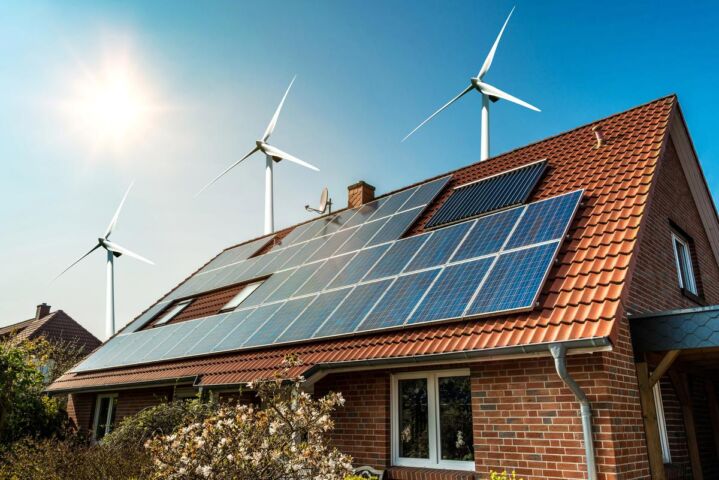
For most homeowners, solar power offers better economics, simpler installation, and more predictable performance. Small scale wind makes sense primarily for rural properties with exceptional wind resources, particularly when combined with solar in hybrid systems .
Before investing, conduct thorough site assessments, compare alternatives carefully, and consult with experienced professionals. While emerging technologies like compact vertical turbines may address traditional limitations, current economics still favor solar for the majority of residential applications. Consider small scale wind only when you have exceptional wind resources, large rural property, high electricity costs, and a long-term investment horizon.