Why the Best Water Filtration System for Home Is Worth Every Penny?

Finding the best water filtration system for home use has become a priority for millions of families who want cleaner, safer drinking water. Municipal water supplies, while generally safe, often contain chlorine, sediment, and other contaminants that affect taste and quality. Many homeowners are surprised to learn what actually flows through their taps once they start researching filtration options. The good news is that modern systems have become more affordable and easier to install than ever before. Whether you are concerned about lead, bacteria, or simply want better tasting water, there is a solution that fits your needs and budget.
Understanding Your Home Water Quality
Before investing in any filtration equipment, you should know exactly what is in your water. Most local water utilities publish annual quality reports that detail contaminant levels and treatment methods. You can also purchase affordable home testing kits that check for common issues like pH imbalance, heavy metals, and bacterial presence. Understanding your specific water problems helps you choose targeted filtration rather than overpaying for features you do not need. This simple step can save you hundreds of dollars and ensure you get the right protection for your household.
Types of Filtration Systems Explained
Modern water filtration technology offers several distinct approaches to cleaning your household water. Each system type serves different needs, budgets, and installation requirements. Understanding these differences helps you match the right solution to your specific situation.
1. Whole House Filtration Systems
These comprehensive units install at your main water line where it enters the home. They protect every faucet, shower, and appliance from sediment, chlorine, and other common contaminants. Whole house systems are ideal for families concerned about bathing water quality or those with sensitive skin conditions. They typically require professional installation due to plumbing modifications and higher flow rate demands.
2. Reverse Osmosis Under Sink Units
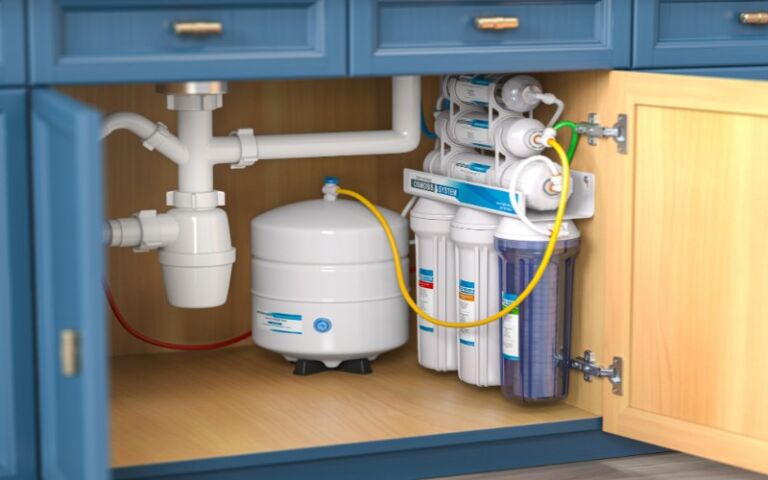
Reverse osmosis systems deliver the highest level of drinking water purification available for residential use. They force water through a semi-permeable membrane that removes up to 99 percent of dissolved solids, heavy metals, and microorganisms. These compact units fit neatly beneath your kitchen sink and feed a dedicated faucet for cooking and drinking water. According to Wikipedia, this technology was originally developed for desalinating seawater but has become standard for home purification.
3. Countertop and Faucet Attachments
These portable options require no installation and work immediately out of the box. Countertop pitchers use activated carbon to improve taste and reduce chlorine, making them perfect for renters or temporary living situations. Faucet-mounted filters attach directly to your existing tap and offer on-demand filtered water with a simple switch. While less comprehensive than permanent systems, they provide affordable entry points for families testing whether filtration makes a noticeable difference.
4. Distillation and UV Purification Systems
Water distillers heat water to create steam, then condense it back to liquid, leaving contaminants behind in the boiling chamber. This method effectively removes minerals, bacteria, and heavy metals but requires electricity and produces water slowly. UV systems use ultraviolet light to kill bacteria and viruses without adding chemicals or altering taste. They work best as add-on stages to other filtration methods rather than standalone solutions for chemical removal.
Key Features to Compare
Selecting the right filtration system requires balancing performance, cost, and convenience. Use this comparison to evaluate which features matter most for your household needs.
| Feature | Why It Matters | What to Look For |
|---|---|---|
| NSF Certification | Guarantees the system actually removes claimed contaminants | Look for NSF/ANSI standards 42, 53, 58, or 401 depending on your target pollutants |
| Filter Replacement Cost | Ongoing expenses often exceed initial purchase price over time | Calculate annual cost, not just individual filter prices |
| Flow Rate | Determines how quickly filtered water dispenses | Whole house: 10+ GPM; Under sink: 0.5-1 GPM is typical |
| Filter Lifespan | Affects maintenance frequency and long-term convenience | 6-12 months is standard; shorter means more hassle |
| Installation Requirements | Impacts upfront cost and whether you need professional help | DIY-friendly vs. plumber-required systems |
| Contaminant Removal Scope | Different technologies target different pollutants | Match to your water test results, not generic marketing claims |
| Warranty and Support | Protects your investment and ensures help when needed | Minimum 1 year warranty; responsive customer service reviews |
Beyond these specifications, consider practical factors that affect daily satisfaction. Check whether replacement filters are readily available from multiple retailers, not just the manufacturer. Read verified customer reviews focusing on long-term reliability rather than initial excitement. Some advanced models include smart indicators that alert you when filters need changing, removing the guesswork from maintenance. Remember that the most expensive system is not automatically the best fit, and mid-range options often deliver excellent protection for average municipal water supplies.
Installation and Maintenance Reality
Many homeowners worry that professional installation will add significant cost to their filtration project. While whole house systems typically require a plumber, under sink and countertop options often install with basic tools and clear instructions. Regular maintenance mainly involves changing filters on schedule, which usually takes just a few minutes every six to twelve months. Neglecting filter changes actually makes water quality worse than unfiltered tap water as contaminants accumulate. Most manufacturers now offer subscription services that deliver replacement filters automatically, removing the guesswork from maintenance schedules.
Natural Questions Homeowners Ask
Many people have similar concerns when they first start researching water filtration for their homes. Here are the most common questions that come up during the decision process.
1. How much should I expect to spend on a quality system?
Basic faucet attachments start around twenty dollars, while comprehensive whole house systems can cost several thousand. For most families, an effective under sink reverse osmosis system falls between two hundred and five hundred dollars. Remember to factor in annual filter replacement costs, which typically range from fifty to one hundred fifty dollars depending on the system complexity. The investment often pays for itself within a year or two compared to buying bottled water regularly.
2. Will filtration remove beneficial minerals from my water?
This concern comes up frequently, particularly with reverse osmosis systems that are highly effective at removing contaminants. While RO systems do remove minerals like calcium and magnesium, these are easily replaced through a balanced diet. Some systems now include remineralization stages that add healthy minerals back into the water after filtration. The health benefits of removing lead, chlorine, and other toxins far outweigh any minimal mineral loss from drinking water.
3. How do I know if my filter is actually working?
Most quality systems include indicator lights or stickers that remind you when replacements are due. You can also purchase inexpensive TDS meters that measure total dissolved solids in your water before and after filtration. A noticeable improvement in taste and odor usually indicates the system is functioning properly. If you notice changes in water quality before the recommended replacement date, check for leaks or contact the manufacturer about potential defects.
Making Your Final Decision
Choosing the best water filtration system for home use ultimately comes down to your specific water quality, budget, and lifestyle needs. Start with a water test, research certified systems that target your particular contaminants, and read honest reviews from long-term users. Do not feel pressured to buy the most expensive option, as mid-range systems often deliver excellent results for average households. Remember that any filtration is better than none, and you can always upgrade later as your needs evolve. Clean water is fundamental to health, and the peace of mind that comes from knowing your family is protected makes this investment one of the smartest home improvements you can make.