
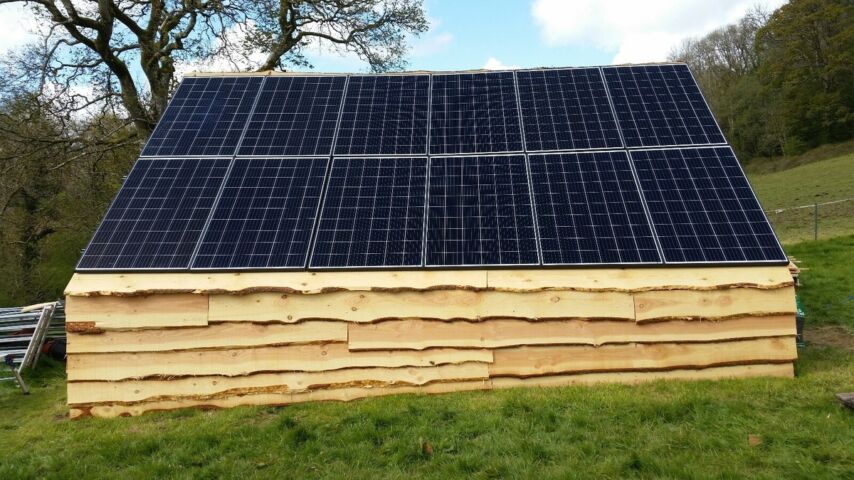
The Best Solar Panel Kit for Shed Projects, From Basic Lighting to Full Workshop Power!

If you are tired of running extension cords across your yard or paying an electrician thousands to wire up your backyard shed, a solar panel kit for shed setups might be exactly what you need. Whether you want to power a few LED lights, charge your power tools, or run a full workshop, solar kits have gotten way more affordable and easier to install than ever before. In this guide, I will walk you through everything you need to know, from picking the right size system to mounting panels on a slanted roof without drilling holes everywhere.
Why a Solar Panel Kit for Shed Makes Perfect Sense?
Let us be real for a second. Most sheds are nowhere near your house electrical panel. Running underground trenching and conduit can cost $2,000 to $5,000 easily, depending on how far your shed sits from your home. A solar power kit for shed use cuts that cost down to a few hundred bucks and gives you clean energy that works even when the grid goes down.
Here is why homeowners are switching to solar for their sheds:
- No trenching or wiring hassles – You skip the backbreaking work of digging trenches across your lawn
- Works anywhere the sun hits – Perfect for remote sheds, garden workshops, or hunting cabins
- Scalable setups – Start with a small solar panel kit for shed lighting and expand later
- Low maintenance – Modern panels last 20 to 25 years with basically zero upkeep
- Potential tax credits – According to some sources, a solar panel kit for a shed might qualify for the 30% federal solar tax credit if you claim the structure as a secondary residence
How to Choose the Right Solar Panel Kit for Your Shed?
Not all sheds are the same, and neither are solar kits. A guy running a table saw and dust collector needs way more power than someone who just wants a lightbulb and a phone charger. Here is how to figure out what you actually need.
1. List Everything You Want to Power
Grab a piece of paper and write down every device you plan to use. Then note the wattage of each item. You can usually find this on a label or by Googling the model number. Here are some common shed appliances and their typical wattage:
| Device | Typical Wattage | Hours Used Per Day | Daily Watt-Hours |
|---|---|---|---|
| LED light bulb | 10W | 5 hours | 50 Wh |
| Laptop charger | 60W | 3 hours | 180 Wh |
| Electric drill | 600W | 0.5 hours | 300 Wh |
| Table saw | 1,800W | 1 hour | 1,800 Wh |
| Phone charger | 20W | 2 hours | 40 Wh |
| Coffee maker | 600W | 0.5 hours | 300 Wh |
| Electric heater | 2,500W | 2 hours | 5,000 Wh |
Add up the daily watt-hours for everything you use. That number tells you how much battery storage you need and how big your solar panel kit for shed should be .
2. Match Your Needs to the Right Kit Size
Once you know your daily energy use, you can pick a system size. Here is a simple breakdown:
| Your Goal | Recommended System Size | Estimated Cost Range |
|---|---|---|
| Basic lighting only | 10W to 100W solar shed lighting kit | $50 to $150 |
| Lights + phone charging + small fan | 100W to 300W solar panel for shed | $200 to $500 |
| Power tools + workshop use | 400W to 800W solar power kit for shed | $500 to $1,500 |
| Full off-grid workshop or cabin | 1,000W+ off grid solar shed kit | $2,000 to $5,000+ |
If you are just lighting up a garden shed, a basic solar shed lighting kit with a 10W panel and a small battery will do the trick. But if you are running power tools, you will want at least a 400W system with a decent battery bank .
Top Solar Panel Kit Options for Sheds in 2026
The market has exploded with options, from all-in-one portable power stations to traditional wired systems. Here are the most popular types of solar panel kit for workshop and shed use.
1. All-in-One Portable Power Stations
These are the easiest option for beginners. You get a battery, inverter, and charge controller built into one box. Just plug your solar panels into the input and your tools into the output.
Popular picks include:
- EcoFlow DELTA series – Ranges from 1,260Wh to 3,600Wh capacity. The DELTA Pro can even expand up to 25kWh with extra batteries. These charge fast and have enough outlets for multiple tools .
- Anker SOLIX C1000 – A newer option with 1,024Wh capacity, 2,000W output, and hyper-fast charging. Great for portable solar panel for shed setups where you might want to move the power station around .
The downside? You pay more per watt-hour than building a custom system. But the plug-and-play convenience is worth it for a lot of people.
2. Traditional Wired Solar Kits
If you want the most power for your dollar and do not mind a bit of wiring, traditional kits are the way to go. A typical solar panel kit for shed in this category includes:
- Solar panels (usually monocrystalline for best efficiency)
- A charge controller (MPPT is better than PWM)
- Deep-cycle batteries (lithium or lead-acid)
- An inverter (pure sine wave for sensitive electronics)
- Mounting hardware and cables
Renogy 400W Complete Kit is a solid example. It comes with four 100W panels, a 3.6kWh battery bank, and all the wiring you need. Designed specifically for workshops and sheds, it is a true solar panel kit for workshop use .
DIY Installation Tips That Actually Work
Installing a solar panel kit for shed roof does not require an engineering degree, but there are some tricks that will save you headaches later.
1. Roof Mounting Without Leaks
The biggest fear most people have is drilling holes in their shed roof and causing leaks. Here is how to avoid that:
- Use existing structures – Mount panels to the shed walls or ground instead of the roof if possible
- Roof flashing kits – Quality kits like Sun-In-One include proper roof flashing that seals around mounting brackets
- Flexible panels – These can be glued down with automotive-grade 3M tape instead of screwed in. One Reddit user mounted flexible panels on RV rails using double-sided tape and says it has held up for over two years
2. Panel Angle and Direction
For the best results, face your panels true south (not magnetic south – check Google Maps). The ideal angle equals your latitude, but anywhere between 30 and 45 degrees works fine for most of the US. If your shed roof is flat, use adjustable mounting brackets or ground stands.
3. Wiring Basics
Keep it simple. Run your panel cables to the charge controller first, then to the battery, then to the inverter. Use the right gauge wire for your amperage, and always install a fuse between the battery and inverter for safety. Many off grid solar shed kit systems come with pre-wired fuse boxes now, which takes the guesswork out .
Battery Choices – Lithium vs Lead-Acid
Your battery is where the magic happens. Without storage, you only have power when the sun shines. Here is the breakdown:
| Feature | Lithium (LiFePO4) | Lead-Acid (AGM/Gel) |
|---|---|---|
| Lifespan | 4,000 to 6,500 cycles | 500 to 1,000 cycles |
| Depth of discharge | 80% to 100% | 50% to 80% |
| Weight | Lighter | Heavier |
| Cost | Higher upfront | Cheaper initially |
| Maintenance | Zero | Check water levels (flooded) |
For a small solar panel kit for shed where you only need lights occasionally, a lead-acid battery is fine. But if you are using power tools daily or living in your cabin full-time, lithium pays for itself quickly. The EcoFlow DELTA Pro uses LFP batteries rated for 6,500 cycles, meaning it could last over a decade .
Real-World Costs and What to Expect
Let us talk money. How much does a solar power kit for shed actually cost?
Budget tier ($100 to $300):
- Basic solar shed lighting kit with one or two LED lights
- 10W to 30W panel
- Small battery or direct-drive system
- Good for: occasional light use, storage sheds
Mid-range ($500 to $1,500):
- 100W to 400W panel system
- Decent battery storage (1kWh to 3kWh)
- Can run lights, fans, chargers, and occasional power tools
- Good for: workshops, garden offices, hobby sheds
High-end ($2,000+):
- 400W to 1,000W+ system
- Large lithium battery bank
- Full off-grid capability
- Good for: serious workshops, remote cabins, tiny homes
One Reddit user shared their experience building a solar-powered workshop from a 12×24 shed kit. They started with a basic setup and expanded over time, which is a smart approach if your budget is tight .
Common Mistakes to Avoid
I have seen too many people buy the wrong solar panel for shed setups. Here is what not to do:
- Undersizing the system – That 10W panel will not run your table saw. Calculate your loads first.
- Ignoring the charge controller – Skipping this will kill your battery fast. MPPT controllers are worth the extra cost.
- Buying cheap panels – Those no-name Amazon panels with fake wattage ratings are everywhere. Stick to known brands.
- Forgetting about winter – If you get 5 hours of sun in summer, you might only get 1.6 hours in winter. Plan accordingly .
- No battery backup – Cloudy days happen. Size your battery for at least 2 to 3 days of autonomy.
Frequently Asked Questions
Got questions about setting up solar panel kit for shed projects? You are not alone. Most people have the same concerns before they buy, from sizing the system to handling bad weather. Below are the most common questions I see in forums and Facebook groups, answered in plain English so you can make a smart decision without getting overwhelmed by technical jargon.
1. How many watts of solar do I need for a shed?
It depends entirely on what you are running. For basic lighting and phone charging, 50W to 100W is plenty. For power tools and workshop use, aim for 400W to 800W. A full off-grid cabin setup usually needs 1,000W or more. List your devices, check their wattage, and multiply by hours of use to get your daily watt-hour needs .
2. Can I install a solar panel kit for shed myself?
Absolutely. Most solar panel kit for shed systems are designed for DIY installation. All-in-one power stations are literally plug-and-play. Traditional wired kits require basic tools and some reading, but nothing an average homeowner cannot handle. If you can install a ceiling fan, you can install a small solar system .
3. Will a solar shed kit work in winter or cloudy weather?
Yes, but with reduced output. Panels still generate power on cloudy days, just at 10% to 25% of their rated capacity. This is why battery size matters. Size your battery bank for your longest expected cloudy stretch. In areas with harsh winters, consider oversizing your panel array by 50% to compensate for shorter days .
Conclusion
Adding a solar panel kit for shed use is one of the smartest upgrades you can make to your backyard space. It saves you from expensive electrical work, gives you energy independence, and turns your shed into a real workspace instead of a dark storage box. Whether you need a simple solar shed lighting kit or a full off grid solar shed kit capable of running power tools, there is an option out there that fits your budget and skill level. Start by calculating your power needs, pick a system that gives you room to grow, and enjoy having electricity exactly where you need it – no extension cords required!